
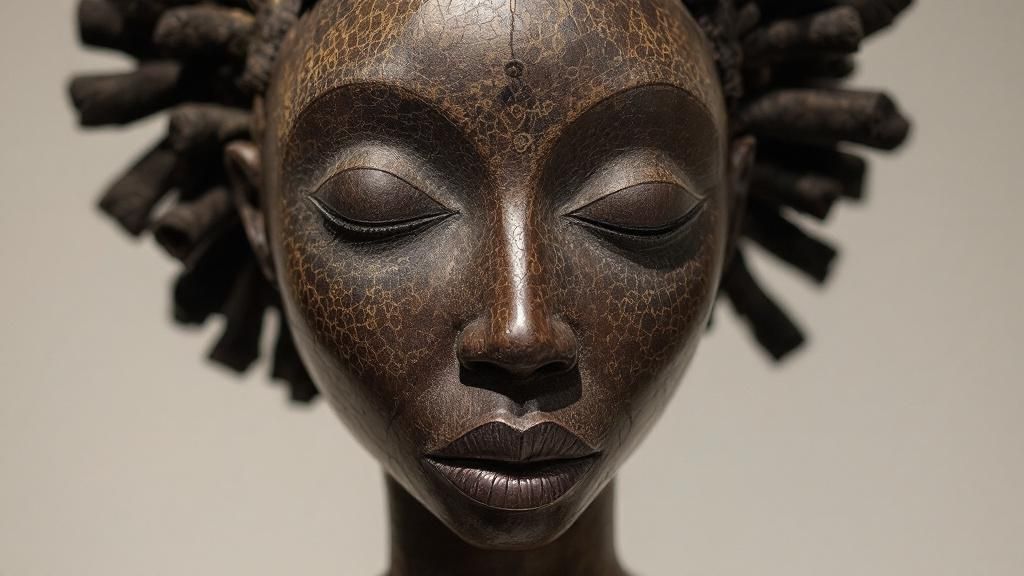
The British Museum has unveiled an exceptional acquisition that is set to reshape its modern art holdings: a comprehensive collection of modern African sculptures across multiple decades and artistic movements. This major announcement signals a substantial commitment to broadening the institution’s galleries and recognising the artistic brilliance of African artists. The collection includes works from across the continent, showcasing different sculptural traditions and innovative contemporary practices. This significant addition signals the museum’s commitment to offering a broader and internationally representative account of artistic achievement.
Importance of the Deal
This addition represents a watershed moment for the British Museum’s engagement with current African artistic endeavours. The collection significantly enhances the institution’s coverage of African sculptural traditions, redressing a historical imbalance in collection priorities. By including these artworks into its core exhibitions, the museum shows a commitment to presenting a more equitable narrative of global art history. The pieces illustrate the remarkable technical skill and conceptual sophistication of African artists, disputing conventional assumptions and cementing African modern sculpture as a crucial presence within the global art scene.
The importance goes further than basic institutional benefit; this addition reflects broader societal conversations around representation of cultures and historical accountability. The collection offers scholars, students, and visitors with unparalleled access to diverse artistic voices that previously were marginalized in significant Western establishments. Furthermore, the acquisition strengthens the institution’s role as a truly cosmopolitan establishment, one that deliberately works to correct historical gaps and celebrate marginalised artistic heritage. This calculated action underscores the museum’s recognition that modern African sculpture merits the equal scholarly focus and curatorial prominence extended to Western artistic traditions.
Notable Works and Artistic Significance
The recently obtained collection represents a remarkable testament to the refinement and creativity of modern African sculpture. These works exhibit exceptional technical mastery, intellectual complexity, and visual sophistication that challenge traditional accounts about African art. The sculptures encompass diverse materials, from conventional stone and wood to modern bronze and mixed media, highlighting artists who seamlessly blend ancestral techniques with modern artistic sensibilities. Each piece contributes to a thorough grasp of how African sculptors navigate cultural identity, social commentary, and universal human experiences through their unique visual vocabularies.
Featured Artists and Creations
The collection comprises seminal works by globally renowned sculptors whose efforts have deeply impacted contemporary art discourse. Prominent works present complex figurative forms that explore themes of selfhood, spiritual expression, and cultural evolution. These sculptures exemplify the artists’ resolve in advancing the limits of sculpture whilst sustaining meaningful links to their artistic traditions. The works chosen for the collection mark career-defining moments for these innovative artists, illustrating their progression throughout their careers of creative output and their profound effect on global contemporary art movements.
Among the prominent acquisitions are pieces that have received substantial praise at renowned global showcases and biennales. These works capture crucial turning points in current African creative expression, where traditional knowledge systems converge with modern theoretical approaches. The sculptures display exceptional technical skill combined with strong conceptual depth, examining universal questions of community, heritage, and evolution. Their place in the British Museum’s collection secures these significant creative perspectives gain the formal validation and availability they rightfully deserve within the extended art history tradition.
Cultural and Historical Context
Understanding these sculptures demands interaction with the broader cultural and historical contexts out of which they develop. Each work demonstrates distinct geographical, social, and political circumstances whilst concurrently contributing to transnational artistic conversations. The collection records crucial moments in African artistic development, showing how present-day sculptors address colonialism’s legacy, globalisation trends, and rapid social change. These contextual layers deepen appreciation of the works, illustrating how artists employ sculpture as a potent medium for cultural preservation, critical dialogue, and visionary expression within swiftly evolving societies.
The acquisition recognises the deep interconnections between creative work and cultural identity across the African regions. These sculptures represent different sculptural styles, from West African artistic values to East African modernist innovations, highlighting Africa’s rich artistic plurality. By situating these works within the museum’s permanent collection, the institution enables enhanced appreciation of modern African artistic contributions to global artistic discourse. This contextualisation questions outdated perspectives that marginalise African art, instead presenting these sculptors as vital contributors influencing modern artistic expression and artistic dialogue.
Future Exhibition Plans and Audience Participation
The British Museum has begun developing an extensive display calendar to present the newly acquired African sculpture collection. Plans include a dedicated gallery space opening in 2025, which will present changing exhibitions highlighting diverse regional practices and artistic movements. The museum intends to enhance these displays with extensive learning initiatives, encompassing expert-led discussions, artist workshops, and community involvement schemes intended to deepen public understanding of current African creative expression and cultural value.
Furthermore, the institution is focused on promoting authentic engagement with African communities and diaspora audiences through collaborative programming. The museum will create collaborations with cultural organisations across Africa and the United Kingdom, ensuring genuine representation and multiple perspectives in interpretation. Virtual platforms will expand availability globally, allowing digital exhibitions and educational resources to reach global audiences. These comprehensive engagement initiatives reflect the British Museum’s determination to establish this collection as a stimulus for broader conversations about artistic achievement, cultural interaction, and the evolving landscape of present-day African creative practice.
