
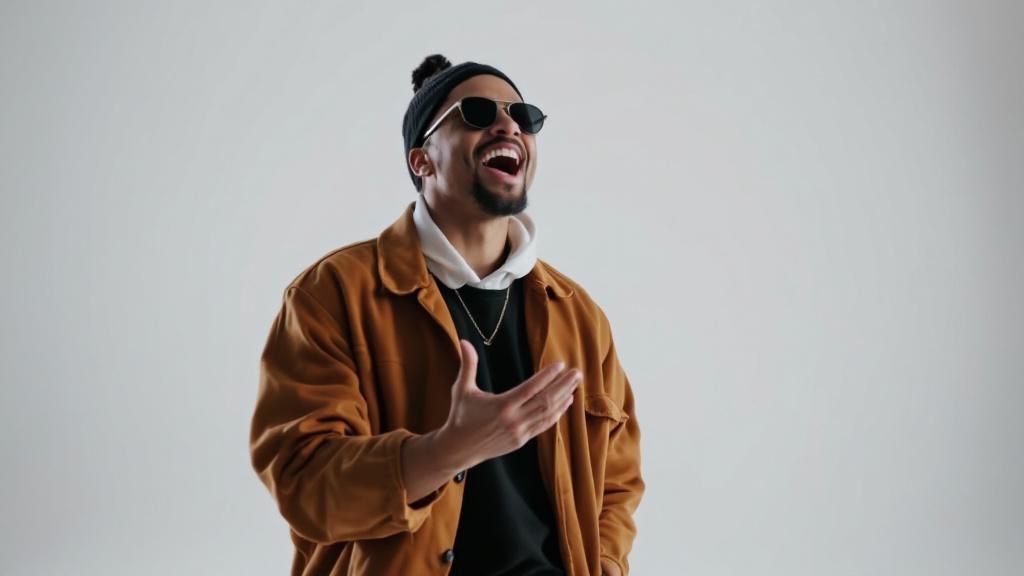
In an rapidly expanding digital space, social media has substantially altered how audiences discover, consume, and engage with music. A renowned musician recently shared candid insights into this significant transformation, exploring how platforms like TikTok, Instagram, and YouTube have reshaped the entertainment industry. From broadening access to emerging artists to disrupting traditional record label models, social media’s influence is beyond question. This article analyses the possibilities and difficulties facing modern musicians, probing how they’re adapting their strategies to succeed in an era where trending clips can establish new stars overnight.
The Emergence of Direct Fan Engagement
Social media has fundamentally transformed the relationship between musicians and their audiences, removing conventional gatekeepers that once governed direct contact between performers and listeners. Platforms such as Instagram, TikTok, and Twitter now allow performers to share their creative journey, personal thoughts, and new content directly to millions of followers instantaneously. This unprecedented access has cultivated stronger, more genuine relationships between performers and their fanbase, transforming passive listeners into active participants who feel genuinely invested in an performer’s creative path and professional development.
The implications of this direct engagement are significant and varied. Artists can now receive immediate input on fresh work, validate approaches with their fanbase before formal distribution, and cultivate loyal communities that offer essential backing throughout their creative journeys. Furthermore, this accessibility of platforms has given independent creators the ability to build substantial fanbases on their own, avoiding industry gatekeepers that conventionally shaped the entertainment industry. Consequently, the established hierarchies between major labels and creators have changed substantially, opening fresh avenues for creative control and economic self-sufficiency.
Challenges of Perpetual Connection
Whilst social media has unquestionably opened doors for aspiring musicians, the relentless demand for perpetual content output presents considerable obstacles. Artists now find themselves obligated to maintain an virtually uninterrupted online presence, creating captivating content across platforms to maintain audience engagement and algorithmic visibility. This pressure draws away crucial resources and focus from the creative process itself, potentially compromising the calibre of artistic work. Furthermore, the requirement to remain perpetually contactable can impose a substantial burden on emotional resilience, as musicians grapple with public scrutiny, negative comments, and the concern about sustaining relevance in an ever more crowded online space.
The algorithm-driven nature of social media platforms generates further challenges for musicians seeking sustainable careers. Success is no longer based exclusively on talent or artistic merit; instead, it relies significantly on grasping platform mechanics, posting schedules, and content trends. This lack of predictability means that even highly skilled artists may struggle to gain traction, whilst others gain widespread attention by being novel rather than authentic creative work. Moreover, the fleeting character of social media attention means that maintaining momentum demands ongoing transformation, trapping artists caught in an exhausting cycle of change and output that frequently seems removed from authentic creative expression.
The Future of Musical Content and Online Services
The trajectory of the music industry appears deeply intertwined with the evolution of digital platforms. As AI and machine learning progressively develop, customised music suggestions will become ever more advanced, substantially changing how consumers encounter new artists. Music streaming platforms are investing heavily in algorithmic curation, which promises to democratise exposure further whilst simultaneously raising questions about artistic merit and financial feasibility. The musician emphasised that adaptability will be crucial for those aiming for lasting success in this rapidly transforming landscape.
Rising technologies present both unprecedented opportunities and substantial difficulties for modern artists. immersive concert events, distributed ledger payment models, and digital collectibles embody emerging spaces that artists are beginning to explore on a trial basis. However, the enduring feasibility of such developments is unclear, and considerable numbers of creators demonstrate hesitation regarding their long-term viability. The general agreement implies that whilst experimentation is essential, sustaining meaningful relationships with fans through conventional methods stays equally vital for establishing enduring professional trajectories and developing true listener devotion.
Looking ahead, thriving musicians will probably adopt combined approaches that harness social media’s platform whilst preserving creative authenticity and artistic autonomy. The democratisation of music production technology means that home-based creators now stand shoulder to shoulder with professional studios, fundamentally reshaping industry structures. However, the human element—narrative craft, emotional impact, and real connection—cannot be reproduced by algorithms or technology. The musician concluded that this balance between innovation and authenticity will ultimately determine the future generation of entertainment sector success.
