
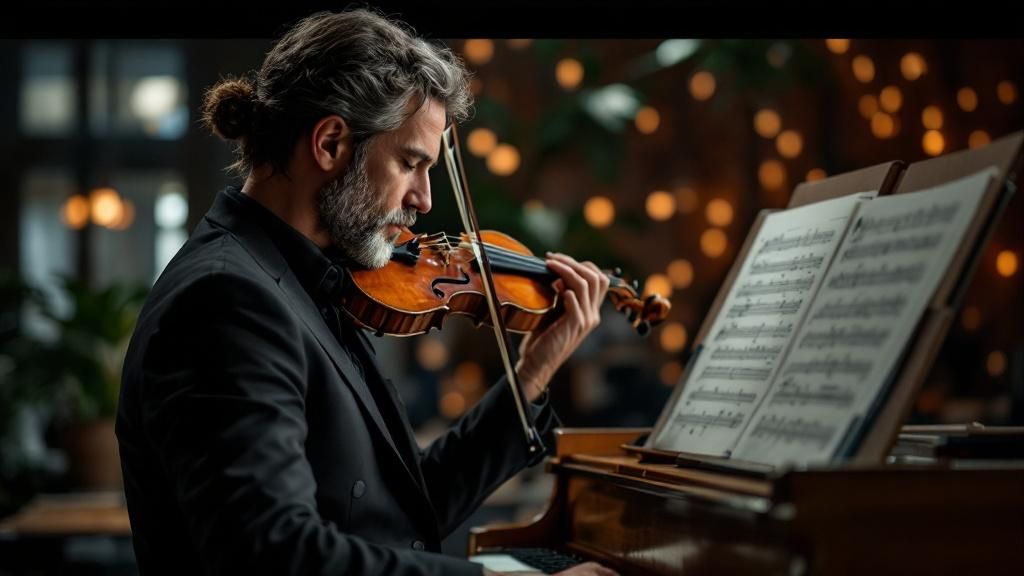
Mastering a difficult classical composition requires far more than raw talent and dedication. Leading classical musicians have consistently kept the secrets to their success, employing advanced training techniques that transform demanding works into flawless performances. This article unveils the key methods these skilled performers utilise to deconstruct complexity, overcome performance obstacles, and achieve musical excellence. From targeted segment training to conscious practice methods, discover the proven strategies that separate exceptional musicians from the rest, enabling you to maximise your capabilities and conquer even the most demanding repertoire.
Deconstructing Complex Texts
One of the most effective strategies used by accomplished classical musicians is the careful division of challenging passages into digestible portions. Rather than attempting to tackle a complex section at performance tempo, experienced practitioners isolate smaller phrases and dedicate themselves to mastering them individually. This methodical approach allows musicians to tackle specific technical difficulties, perfect intonation, and strengthen conviction progressively. By working with bite-sized portions, you can identify precisely where problems emerge and implement targeted solutions without becoming overwhelmed by the passage’s overall complexity.
Once individual segments have been thoroughly refined, the next crucial step involves gradually reassembling these sections into larger musical units. Musicians use a method known as “bridge practising,” whereby they lengthen practice sections incrementally, overlapping previously mastered portions with fresh content. This smooth combination ensures smooth transitions between sections and preserves musical unity throughout the passage. By increasing difficulty in measured steps, performers build muscle memory and technical fluency, ultimately allowing them to perform even the most complex passages with precision and artistry.
Cultivating Mental Resilience plus Focus
Mental resilience forms the cornerstone of mastering complex pieces, as instrumental ability alone cannot sustain musicians through intensive training periods. Seasoned orchestral musicians build emotional fortitude by maintaining structured schedules, defining progressive milestones, and maintaining unwavering commitment to their craft. This emotional resilience enables musicians to persevere through frustration, embrace mistakes as learning opportunities, and sustain concentration during lengthy training blocks. By cultivating mental strength, musicians convert difficult sections into achievable tasks rather than insurmountable obstacles.
Concentration represents an similarly important component in the practice arsenal of distinguished classical musicians. Rather than engaging in unfocused, lengthy sessions, professionals employ deliberate practice strategies that demand complete mental engagement. This method entails practising with specific objectives, eliminating distractions, and maintaining heightened awareness of performance intricacies. Musicians who prioritise focused practice sessions of shorter duration consistently achieve better outcomes compared to those engaging in prolonged, distracted rehearsals. This concentrated methodology speeds advancement and enhances musical comprehension substantially.
Building both mental resilience and focus requires intentional effort and careful planning. Classical musicians recommend integrating mindfulness practices, creating quiet practice spaces, and taking regular breaks to sustain peak mental performance. By nurturing these psychological attributes alongside technical development, musicians establish a comprehensive foundation for mastering challenging pieces with assurance and musical artistry.
Using Technology and Recording Methods
Modern classical musicians are increasingly using digital technology to enhance their understanding of complex compositions. Recording practice sessions offers invaluable feedback, enabling performers to identify technical inconsistencies and interpretive subtleties that could easily go undetected. Playback analysis allows musicians to evaluate rhythmic consistency, pitch accuracy, and musical phrasing objectively. Additionally, digital metronomes and electronic tempo references facilitate precision during difficult sections, whilst notation applications allows thorough musical annotation and form analysis.
Video recording proves especially useful for resolving postural issues and bow technique refinements in string performance. Many accomplished musicians use slow-motion video to analyse where fingers are placed and hand positioning with meticulous care. Furthermore, modern practice software provide customisable features permitting repetition of individual sections at adjustable tempos. These modern developments work alongside established practice techniques, offering today’s musicians with sophisticated diagnostic tools that speed up learning of demanding repertoire and encourage ongoing development throughout their musical development.
Working with Peers and Mentors
Working alongside fellow musicians and experienced mentors provides invaluable perspectives that solitary practice cannot offer. Peer collaboration allows you to hear alternative interpretations, receive helpful feedback, and identify skill gaps you might otherwise overlook. Mentors, particularly those with broad expertise performing challenging pieces, offer guidance rooted in decades of practical knowledge. Their insights into musical phrasing, artistic interpretation, and strategic approaches enhance your progress as a musician considerably. Regular sessions with trusted colleagues create responsibility whilst cultivating a supportive environment where artistic development flourishes naturally.
Engaging in ensemble practice sessions and masterclasses exposes you to varied methods towards addressing demanding pieces. These shared learning opportunities enhance your ability to listen critically, adapt musically, and develop your understanding through conversation with accomplished musicians. Mentorship relationships particularly support those navigating unfamiliar compositional styles or performance challenges. By welcoming constructive criticism graciously and remaining receptive to different approaches, you cultivate adaptability and strength essential for mastering intricate works. Ultimately, surrounding yourself with passionate, knowledgeable musicians raises your expectations and reshapes your learning experience into a fulfilling, shared musical pursuit.
